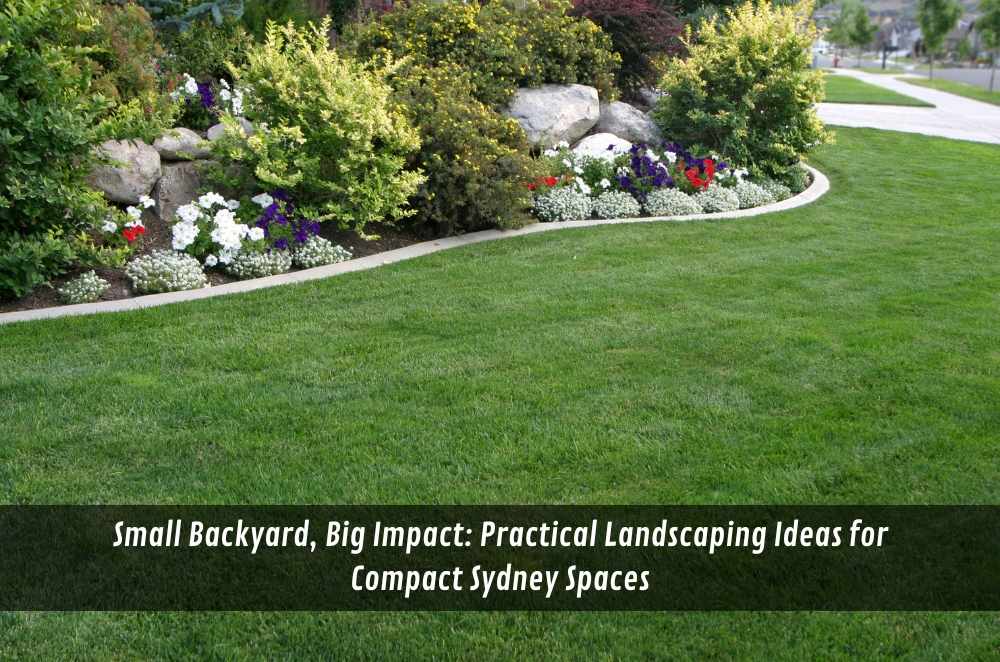
Shrinking land sizes, strata living and surging build costs mean many Sydney homeowners inherit a backyard closer to a courtyard. The good news? Limited square metres don’t have to equal limited lifestyle. With the right mix of climate-savvy planting, smart materials and thoughtful layout, a pocket-sized outdoor area can still host a barbecue, herbs for dinner and a spot to relax after work. Use the following ideas as a menu, not a mandate, and adapt them to your block, budget and maintenance appetite.
Understand Your Micro-Climate Before You Start
Sydney stretches across multiple micro-climates—from sea-spray-prone eastern suburbs to hotter, drier western corridors. Even within a single suburb, orientation, neighbouring buildings and reflected heat can change conditions dramatically.
Aspect matters. A north-facing wall may bake in summer, while the southern edge could stay damp and shady. Match plant choices to each pocket rather than relying on generic “full sun” or “part shade” labels.
Rainfall and stormwater. The city averages 1,200 mm of rain a year, delivered in bursty downpours. Make sure hard surfaces fall away from walls and that garden beds sit slightly proud of paving to reduce pooling.
Water efficiency. Tight spaces leave little room for failure—over-watering quickly leads to algae and slippery paths. Brief yourself on NSW Government water-wise gardening advice before setting irrigation timers or choosing mulch.
Bottom line: A two-hour site observation (morning, midday, afternoon) often reveals more than weeks of online research. Note glare, shade, wind tunnels and drainage before any sketching begins.
Plan the Space in Layers, Not Zones
Traditional landscape plans carve a block into hard “zones”—lawn, dining, veg patch. On a ten-metre-deep courtyard, that approach can feel cramped. Thinking in vertical and visual layers keeps the same functions but frees up floor space.
Think Vertical First
Green walls, tensioned wire systems and espaliered fruit trees push foliage up instead of out. A simple evergreen climber on mesh screens:
breaks up harsh boundary fencing
injects greenery at eye level (great for borrowed views)
leaves the ground free for seating or storage
Pair vertical planting with hanging pots under the eaves or rail-mounted planters on balconies to create depth without consuming floor area.
Blur the Boundaries Visually
Continuous planting strips, colour-matched paving and staggered heights trick the eye into reading a space as larger than its footprint. If you are unsure how to translate these ideas into a scaled sketch, this practical briefing guide on larger Sydney landscaping projects can help you understand the basic planning steps—then simply shrink the principles to suit your yard.
Materials & Features That Multitask
In tight areas, every element must earn its keep. Opt for materials and fixtures that offer two or more benefits at once.
Comparison Table: Feature vs Footprint

Light-coloured, large-format pavers help bounce daylight around enclosed walls, making the ground plane feel wider. For even more visual expansion, run the pavers in the same direction as the longer yard axis.
Furniture With Storage
Look for bench seats with hidden compartments or ottomans that double as planters. Soft-close hinges prevent fingers from being pinched—handy if kids use the area.
Slimline Tanks & Raised Planters
Water tanks tucked along a fence can replace a costly shade screen while supplying drip lines. Meanwhile, a 600 mm-wide raised bed can edge a patio, provide extra seating and lift edibles up to waist height (no more stooping).
When DIY Runs Out of Room: Bringing in a Professional
Designing on graph paper is one thing; making gradients, sub-soil drainage and paving tolerances line up on site is another—especially when every centimetre counts. If your plan involves retaining walls, integrated lighting, or tricky levels around existing structures, consider seeking expert help with Sydney landscaping projects to avoid expensive rework.
Signs it’s time to bring in a pro:
Water pooling even after you’ve added catch drains
Conflicting measurements between plans and existing structures
Multiple trades (electrical, plumbing, masonry) required in one confined space
Uncertainty about council approvals for decks or outbuildings
A modest design-and-consult package can still leave plenty of DIY tasks—planting, staining, decorative touches—while ensuring the “hard” landscape bones won’t fail later.
Quick Checklist Before You Order Materials
Measure twice. Sketch the site and mark immovable features (air-conditioning units, sewer vents, easements).
Check drainage. Confirm that finished surfaces will sit at least 75 mm below the internal floor level.
Know your maintenance tolerance. A lush subtropical look may demand weekly pruning; a drought-tolerant palette, far less.
Confirm council rules. Even low pergolas or privacy screens can trigger development or exempt-development criteria in NSW planning codes.
Stage deliveries. Limited access may mean smaller drops—factor extra labour time or negotiate with suppliers for split loads.
Conclusion
A compact Sydney backyard can still become a genuine extension of your living area when each square metre is asked to work harder—and smarter. Start by reading the climate clues already on site, layer functions vertically, choose multitasking materials, and call in professional support for the tricky bits. With a thoughtful approach, small really can mean mighty.




Write a comment ...